La Avellaneda returns to Cuba on its bicentennial
One of the most significant cultural events we commemorate in 2014 is the bicentennial of the birth of Cuban writer Gertrudis Gómez de Avellaneda. And we say Cuban; but also Latin American, Spanish—for her more than 20 years in Spain, which nevertheless did not spiritually uproot her from the island—and universal, for her estheticianship that left its mark not only on poetry but also on Latin American theater and novels, as well as for a worldview that vindicated the role women should play in society, contrary to the prevailing concepts of her time.
Due to the importance of the personality and legacy of Tula, as the writer was also known, the International Association of Hispanic Women’s Literature and Culture is holding its 24th congress around the theme “On the Bicentennial of Gertrudis Gómez de Avellaneda: Legacies of Female Creation.” The event began on November 10th and will run until the 14th, from 9:00 a.m. to 5:00 p.m., at the Hotel Nacional de Cuba, with the cooperation of the Institute of Literature and Linguistics and other national institutions.
The Congress features an extensive program that includes theoretical debates, lectures, the staging of plays by Avellaneda, book sales, and the presentation of the 2014 Victoria Urbano Awards, which are linked to academic and creative work related to gender studies. Among the scheduled activities is a dramatized reading of “The Cat Tree,” a yet-to-be-published work by writer Elaine Vilar Madruga.
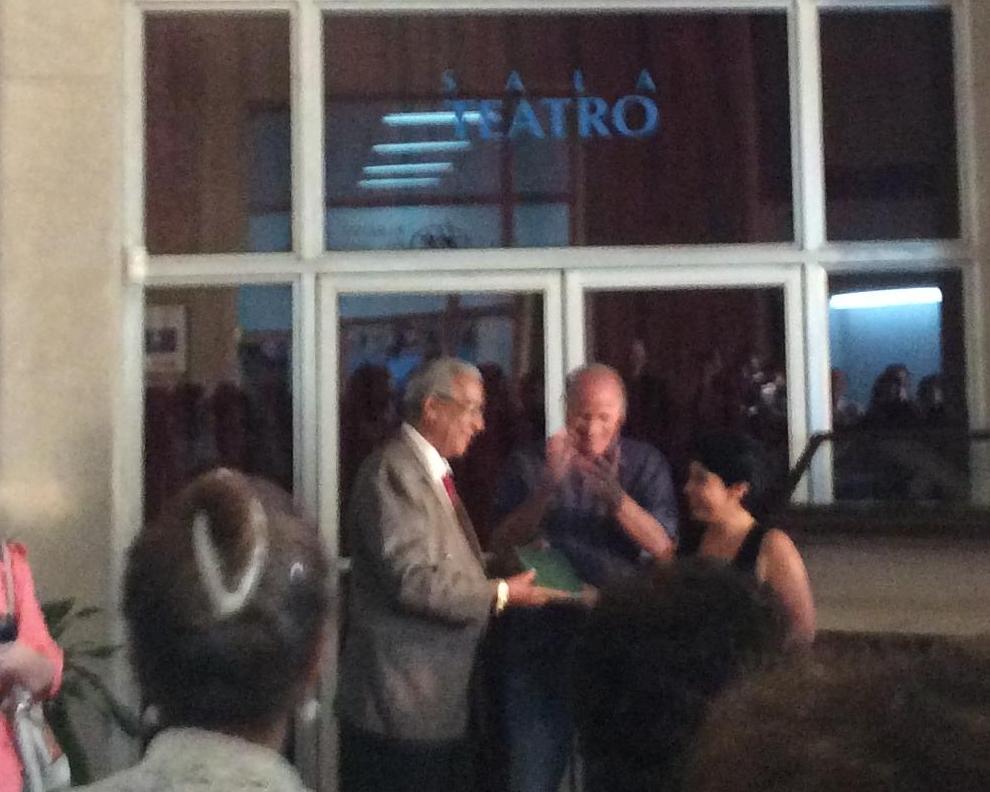
Of particular significance was the presentation to the National Library of Cuba of a facsimile edition of an autograph album created by Avellaneda, featuring phrases in her own handwriting about the authors and their letters, which reveal other aspects of the writer’s life and personal views. The institution’s director, Eduardo Torres-Cuevas, expressed his gratitude for the gesture, which is in line with the Library’s mission to preserve the island’s cultural heritage, in this case by rescuing a valuable document.